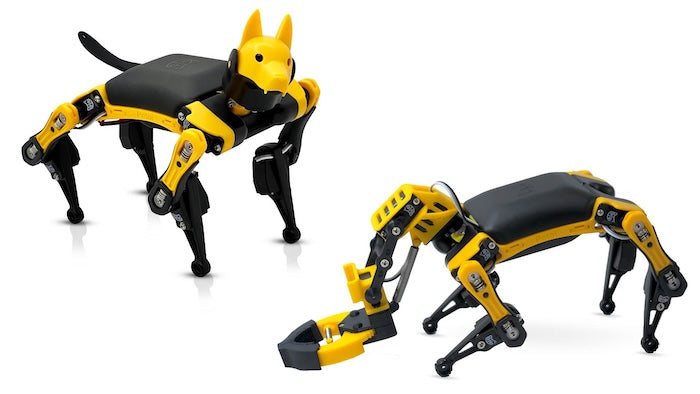
Bittle X Robot Dog
High-performance, voice-controlled quadruped with optional robotic arm gripper.
ESP32VoiceGripper-Ready
Explore Bittle X 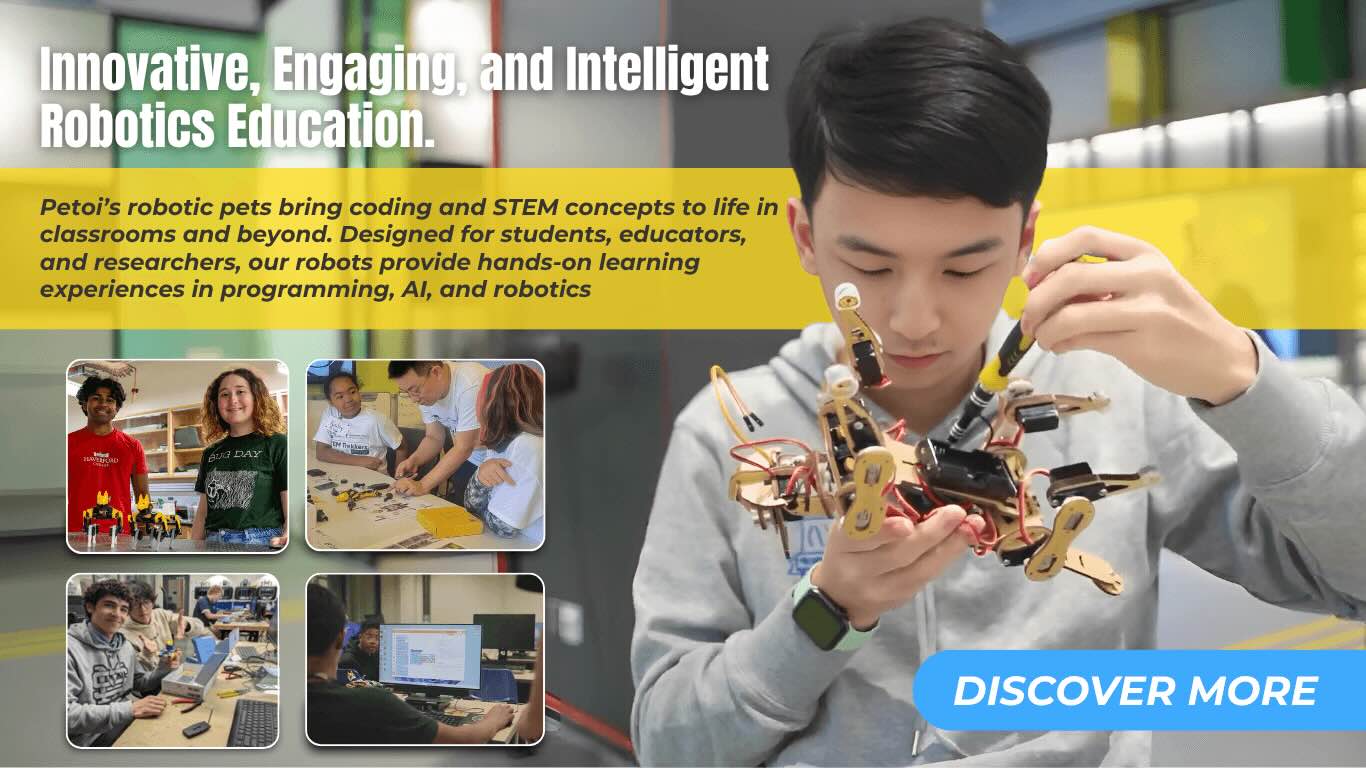
Build, code and explore AI with palm-sized bionic robots.
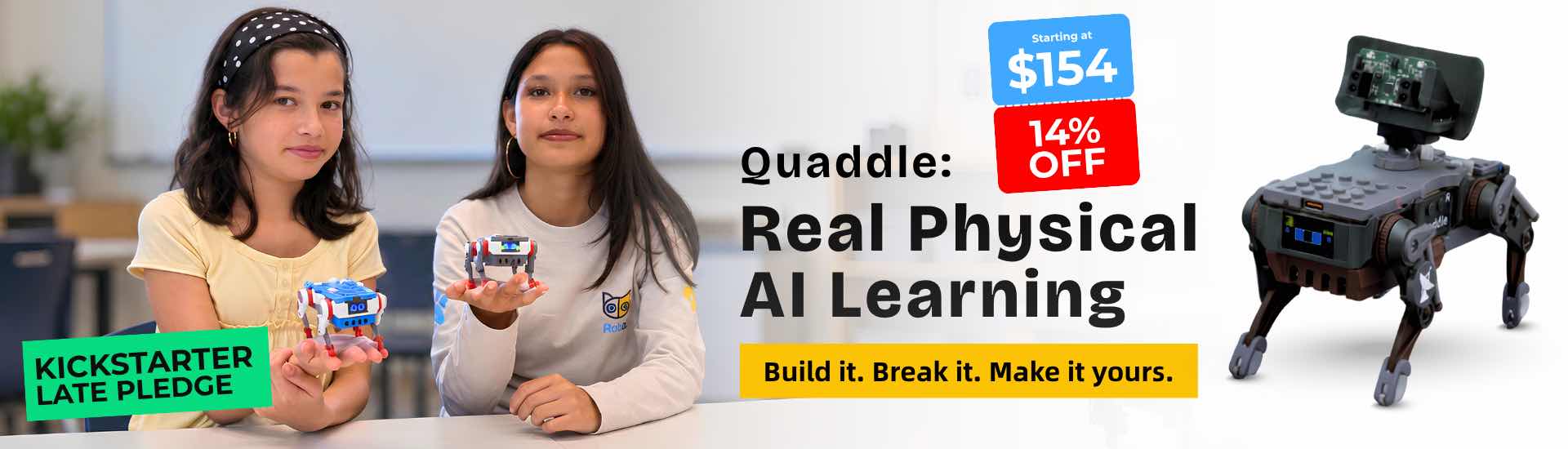
Meet Quaddle, the Do-It-All Mini Robot Dog
Open-source, desk-sized and endlessly hackable.
Built on OpenCat. Ready for AI.
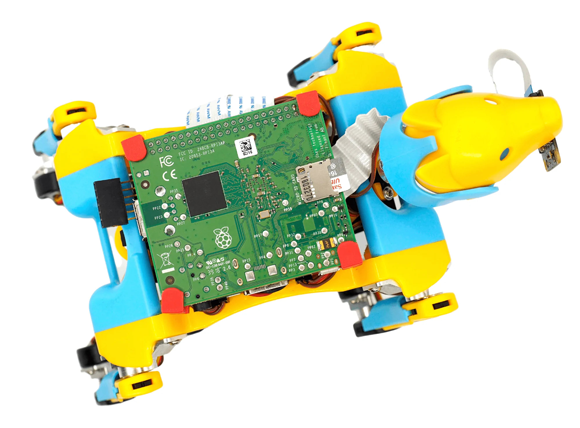
Raspberry Pi, ESP32 and AI vision ready for labs and universities.
As featured in leading technology & education media














Every kit shares one open-source software ecosystem, so lesson plans, code and skills transfer across models as your program grows.
High-performance, voice-controlled quadruped with optional robotic arm gripper.
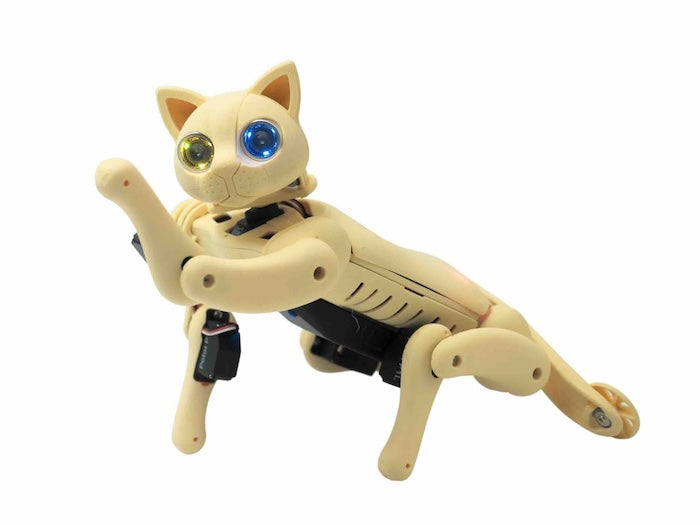
Lifelike open-source coding robot cat for creative STEM projects.
The original Arduino-compatible bionic robot dog loved by educators.
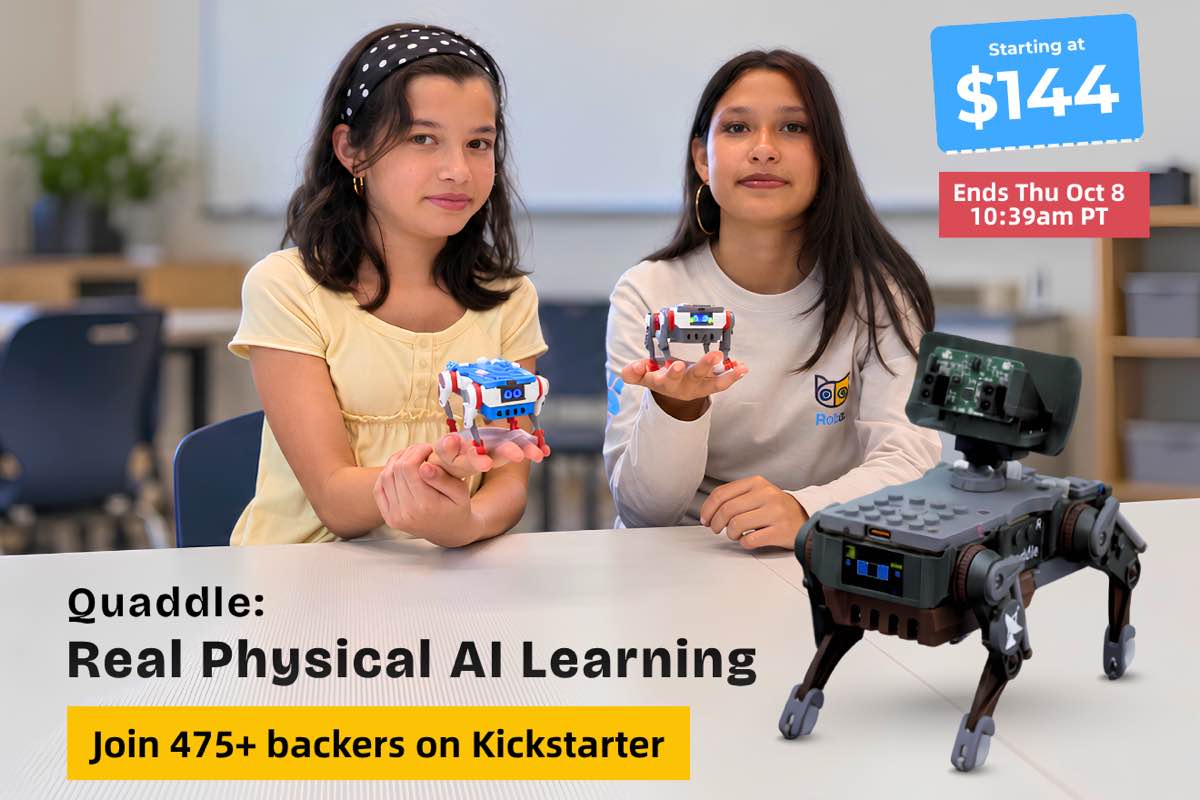
Compact, open-source mini robot dog built for desks and makerspaces.
Legged robots engage learners in a way wheeled kits cannot: every gait, pose and behavior is a visible result of their code.
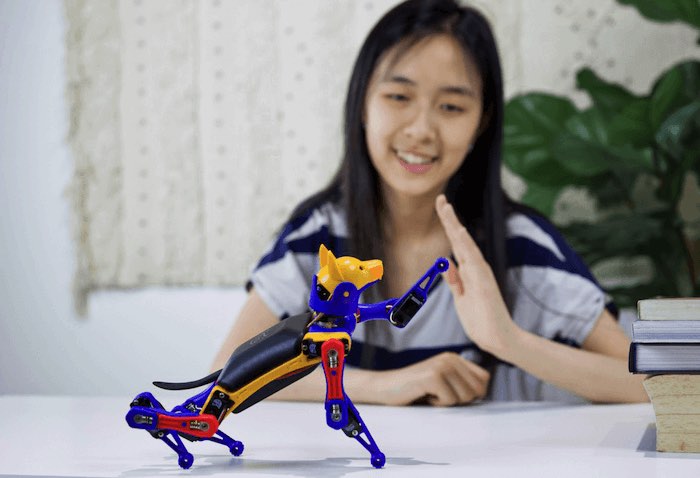
Start with app and voice control for instant fun, then progress to writing original skills in the language that fits each learner.
The Bittle robot dog family supports K-12 schools and universities with ready-to-teach block-based and C++ curricula, so teachers can launch a robotics unit without building materials from scratch.
Built on OpenCat, the most-starred open-source quadruped robot platform on GitHub. Extend it with Raspberry Pi, AI vision, IoT sensors and custom firmware.
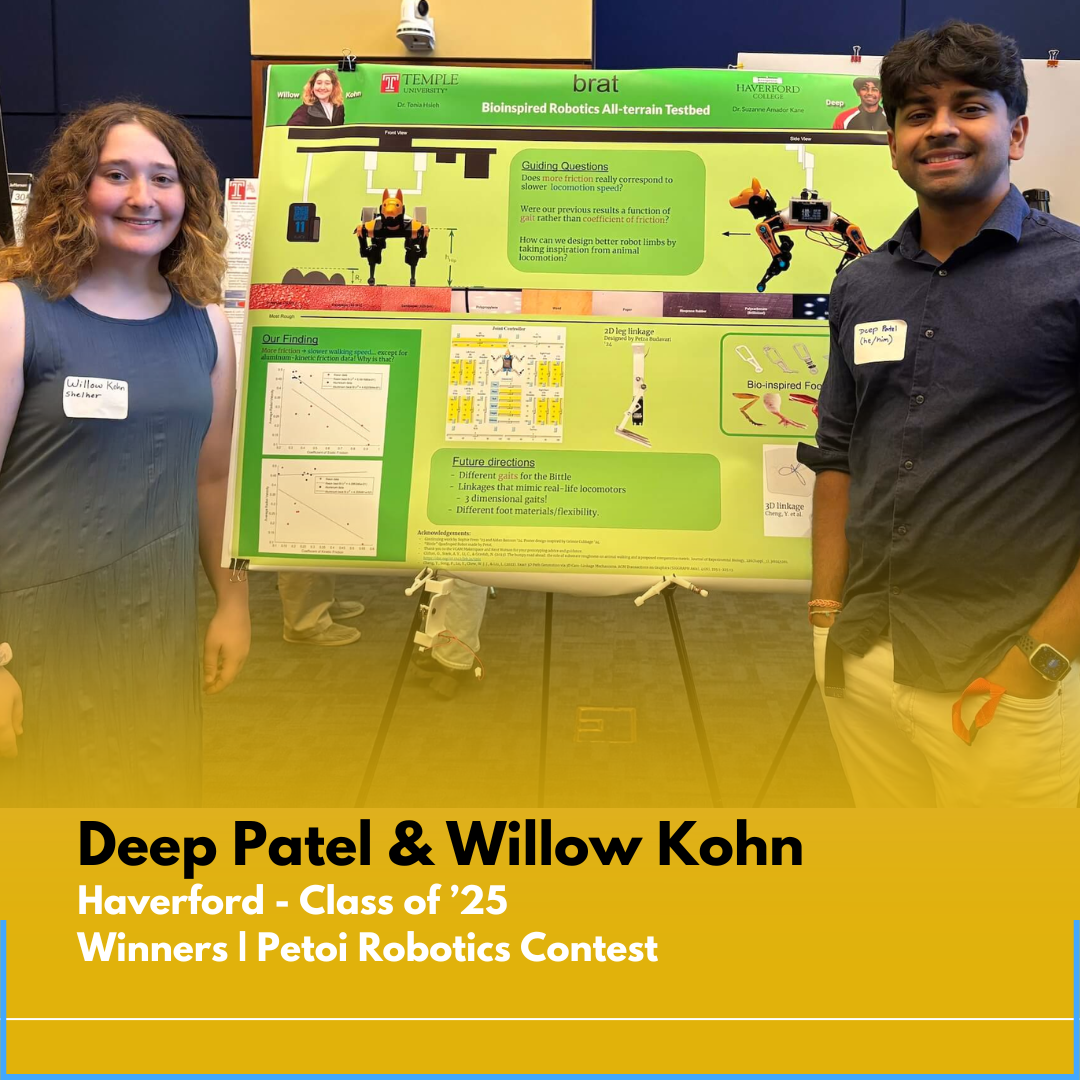
Universities use these compact quadrupeds to study locomotion, human-robot interaction and intelligent systems — with a fraction of the space, cost and setup time of full-size legged robots.
Explore OpenCatFrom robot dance routines to AI-powered obstacle avoidance, explore real builds from classrooms, labs and hobbyists worldwide.
Discover MoreWhat overseas buyers ask us first — answered up front, so you can evaluate fit before requesting a proposal.
Kit configurations for class sets, labs and resellers, with guidance in the Educator Purchase Guide.
Block-based and C++ courses reduce teacher prep and speed up adoption.
Arduino and ESP32 controllers with open firmware — no vendor lock-in for your program.
International delivery, a 30-day returns policy and documented warranty terms.
| Specification | Bittle X | Nybble Q | Bittle (Classic) |
|---|---|---|---|
| Form factor | Palm-sized robot dog | Bionic robot cat | Palm-sized robot dog |
| Controller | ESP32-based BiBoard | ESP32-based BiBoard | Arduino-compatible NyBoard |
| Programming | Block-based, C++, Python | Block-based, C++, Python | Block-based, C++, Python |
| Connectivity | USB, Bluetooth, Wi-Fi | USB, Bluetooth, Wi-Fi | USB; Bluetooth/Wi-Fi via dongle |
| Voice control | Built in | Via module | Via module |
| Expansion | Robotic arm gripper, AI vision, sensors | AI vision, sensors | Sensors, Raspberry Pi |
| Best for | K-12, university labs, research | STEM clubs, makers, creative coding | Arduino learners, budget programs |
Specifications summarized for evaluation. Confirm final configuration on each product page or with our team before ordering.
Watch how a palm-sized programmable robot dog turns coding into something students can see, touch and play with.
"The organic nature of robots with legs is much more engaging than wheels." — Robotics STEM Camp educator, University of Colorado Boulder
More Robot Videos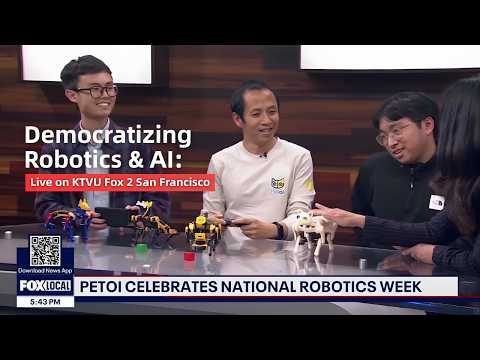
Structured learning paths that take students from drag-and-drop blocks to real embedded C++.
Scratch-style lessons that teach sequencing, loops and sensors with a walking robot.
View curriculum Advanced · High School & CollegeEmbedded programming, kinematics and gait design on real hardware.
View curriculum All LevelsGuides, worksheets and project ideas for teaching robotics and coding.
Browse resources Makers · ResearchCommunity designs built on the open-source robotics system.
See projectsFeedback from classrooms, university labs and the robotics community.
Technical and purchasing answers for educators, researchers and distributors.
The robot dogs support add-on modules such as sound, light and touch sensors, an AI vision camera module, a voice command module and a robotic arm gripper extension. Common modules connect through standard 2.54 mm headers on the controller board.
The robots support wired serial connection through a USB programmer as well as wireless control over Bluetooth and Wi-Fi.
Bittle X has built-in voice command support. Other models can be programmed for voice recognition when equipped with a sound or voice command module.
The quadruped robots communicate with Raspberry Pi, NVIDIA Jetson Nano and micro:bit through wired or wireless connections. Compact Raspberry Pi models such as the Pi 3A+ and Pi Zero can be mounted directly and communicate via serial UART with open-source Python modules. Jetson Nano is recommended for wireless connection only because of its size.
Block-based coding suits primary and middle school learners, while C++ and Python are used in high school, university courses and research projects. Free curricula are available for both block-based coding and C++.
Review the Educator Purchase Guide, then email [email protected] with quantities, destination country and project requirements to receive a tailored proposal. Shipping and returns details are listed on our Shipping & Returns page.
Tell us your student numbers, target market and timeline. Our team will recommend the right kit mix and curriculum path.
[email protected]