The Origins and Evolution of 3D-Printed Quadruped Robotics
The OpenCat platform originated from foundational research into low-cost, lifelike quadruped robotics using desktop 3D printing. Shenzhen Pbrobot Technology Co., Ltd. developed this open architecture to break down cost barriers for educational institutions and technical laboratories globally.
By leveraging standardized CAD models, precision miniature servos, and dual-core microcontrollers, educational workshops and robotics research teams can fabricate, assemble, and customize full 8-to-11 degree-of-freedom (DOF) walking robots with complete hardware freedom.
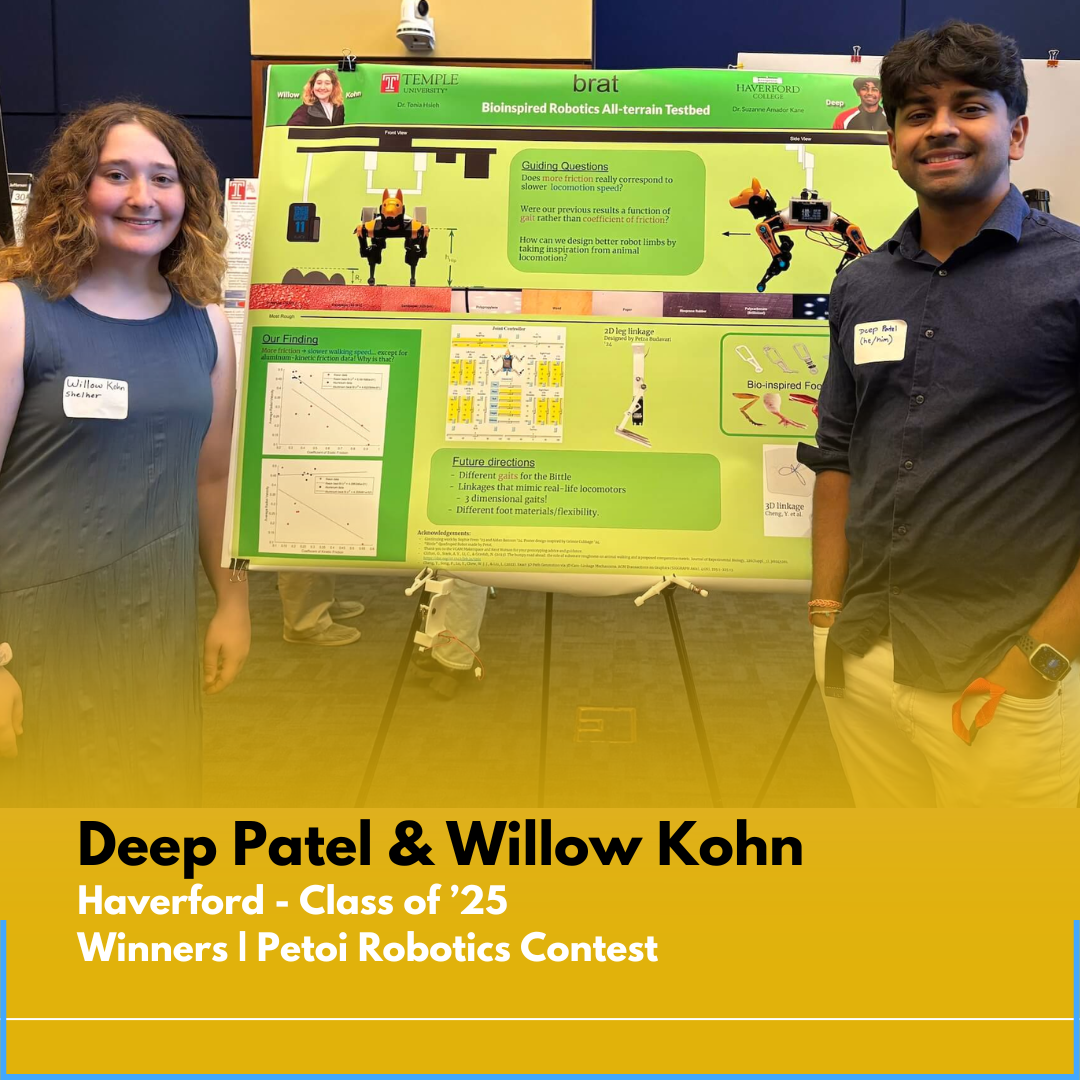
OpenCat-compatible chassis fabricated via precision additive manufacturing for laboratory kinematics.
Engineered for Rapid Customization & Maker Adaptability
A modular mechanical and electronic framework designed to streamline classroom manufacturing and academic research experimentation.
Standardized 3D Print Formats
Compatible with standard desktop FDM and SLA 3D printers. Open geometry files facilitate custom modifications, sensory payload mounts, and rapid replacement component fabrication.
High-Torque Coreless Servos
Calibrated gear systems featuring built-in shock absorption and position feedback telemetry prevent mechanical stripping during dynamic gait calculations and complex athletic routines.
ESP32 & Single-Board Computer Ready
Seamlessly integrates the dual-core BiBoard ESP32 controller with optional Raspberry Pi, NVIDIA Jetson Nano, and micro:bit modules through native serial UART communication.
Core Hardware Modules for Custom 3D Robot Builds
High-reliability structural components and electronics sourced by international schools, training centers, and commercial developers.
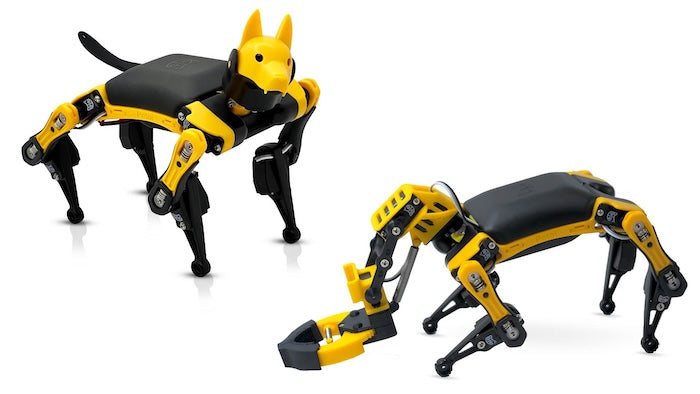
Bittle X Bionic Platform
Palm-sized bionic dog featuring 9-DOF actuation, onboard voice command recognition, and full compatibility with custom 3D printed accessories and gripper extensions.
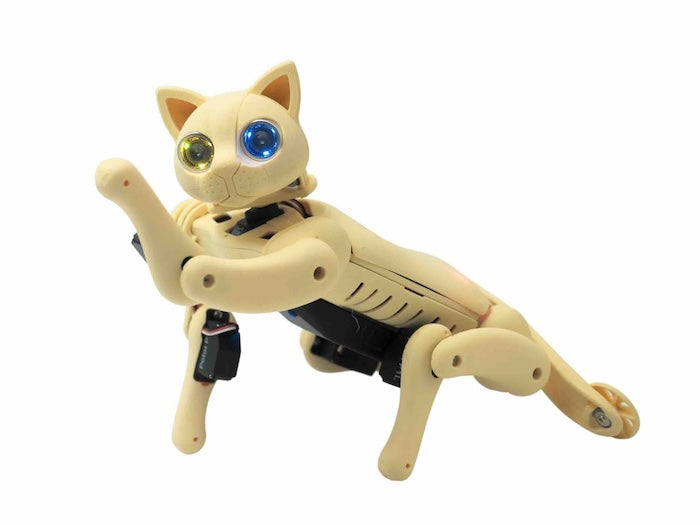
Nybble Q Robot Cat Framework
11-DOF bionic feline architecture utilizing 3D-printed body parts and dual head joints, ideal for advanced bio-inspired motion research and expressive behaviors.
Alloy Actuator Servo Pack
Heavy-duty, high-precision coreless digital servos designed to deliver stable output torque and high durability for custom load-bearing 3D prints and arm grippers.
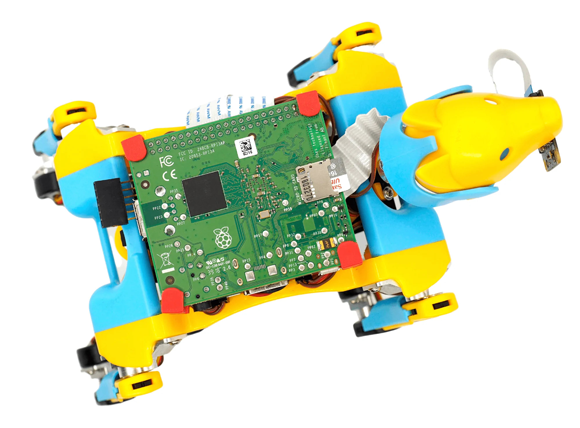
BiBoard ESP32 Controller
Dedicated multi-servo robot motion controller with integrated IMU gyro/accelerometer, audio output, Grove sensor interfaces, and direct Raspberry Pi bus connectors.
Manufacturing & 3D Print Engineering Parameters
Recommended technical specifications for educators, technical institutions, and volume fabrication labs.
| Component Category | Recommended Material | Infill Density & Pattern | Layer Height | Engineering Objective |
|---|---|---|---|---|
| Main Body Frame & Chassis | PETG / ABS / Nylon | 35% - 50% (Gyroid) | 0.16mm - 0.20mm | Torsional rigidity and impact resistance during high-speed walking |
| Leg Linkages & Upper Shoulders | High-Tensile PLA+ / PETG | 40% - 60% (Grid or Gyroid) | 0.12mm - 0.16mm | Bending strength to withstand dynamic ground impact and flip landings |
| Foot Pads & Ground Dampeners | TPU (95A Flexible) | 20% - 30% | 0.16mm | Shock dampening, acoustic dampening, and high surface traction |
| Head Covers & Sensor Shells | Standard PLA / Resin (SLA) | 15% - 25% | 0.10mm - 0.16mm | Lightweight housing for camera modules, LiDAR sensors, and microphones |
Procurement & Technical FAQ
Common questions from overseas STEM educators, distributors, and makerspace coordinators.
What 3D printing technologies and filaments are recommended for assembling these quadruped robots?
FDM printing using PETG, ABS, or high-tensile PLA+ is recommended for structural load-bearing frames. SLA or SLS resin printing offers superior precision for intricate joint gears and decorative covers. Flexible TPU (95A) is ideal for shock-absorbing foot pads.
Can academic laboratories and commercial developers adapt the open 3D models for custom sensors?
Yes. The OpenCat ecosystem is completely open-architecture, enabling users to mount custom LiDAR brackets, stereo depth vision cameras, AI processors, and custom robotic gripper arms. The CAD files allow direct expansion for academic and industrial research.
Does Shenzhen Pbrobot Technology Co., Ltd. offer bulk electronics and servo sets for makerspace 3D printing classes?
Yes. We supply dedicated classroom kits containing BiBoard ESP32 controllers, calibrated feedback servos, lithium battery packs, sensor sets, and hardware fasteners tailored for educational labs, makerspaces, and university research programs.
How can our institution submit purchase orders or request customized OEM supply arrangements?
Institutions, universities, and commercial distributors can request bulk hardware pricing and volume discount packages directly by emailing [email protected] with required quantities and project specifications.
Equip Your Makerspace or Robotics Curriculum
Request our comprehensive hardware catalog, wholesale educational discount schedule, and 3D printing documentation directly from our engineering team.