1 / 5
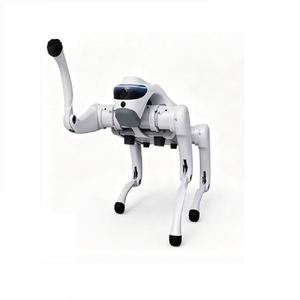
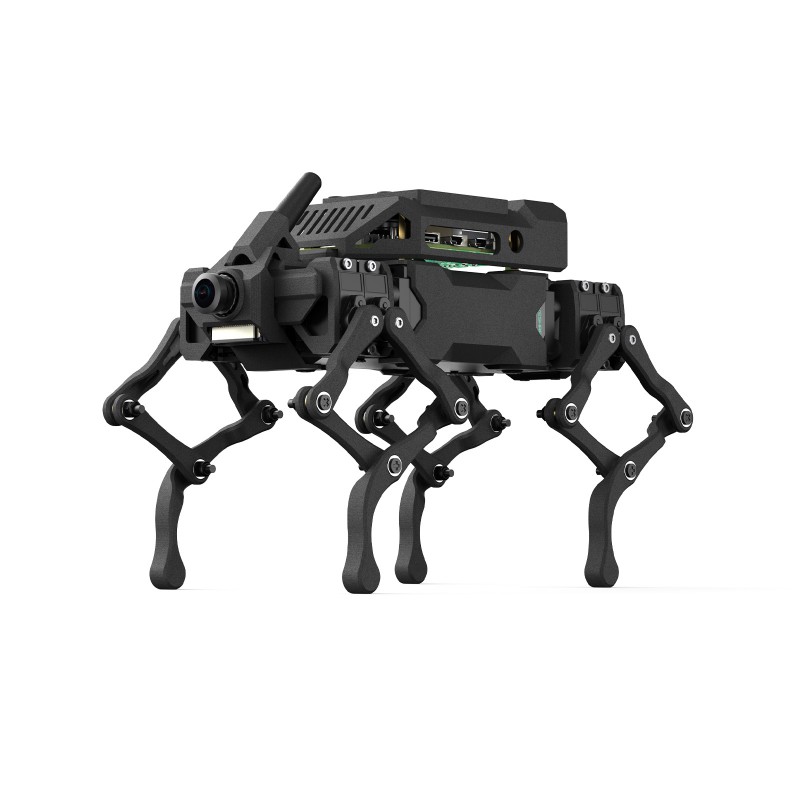
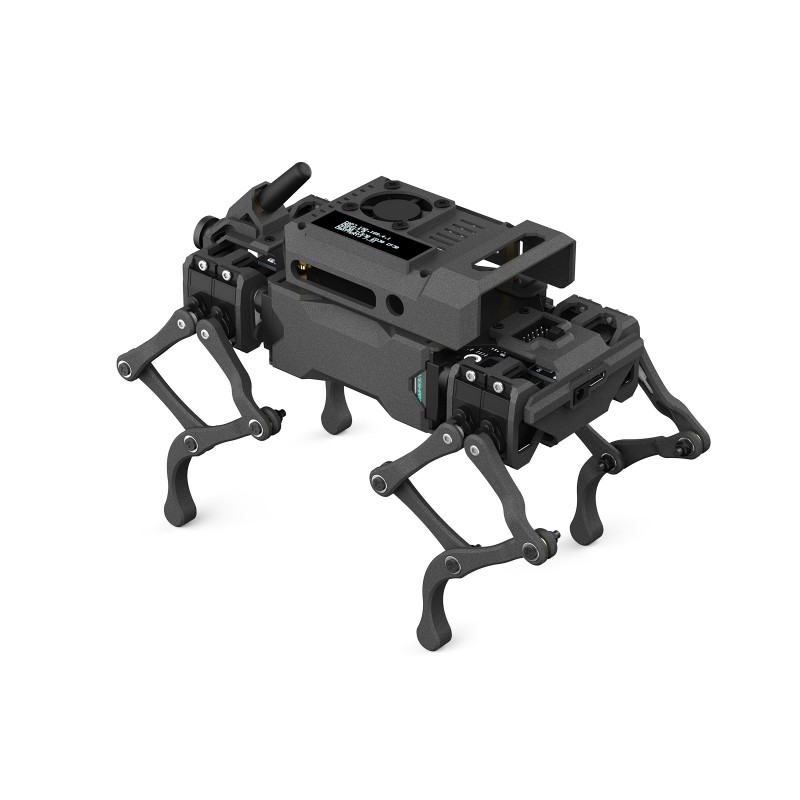
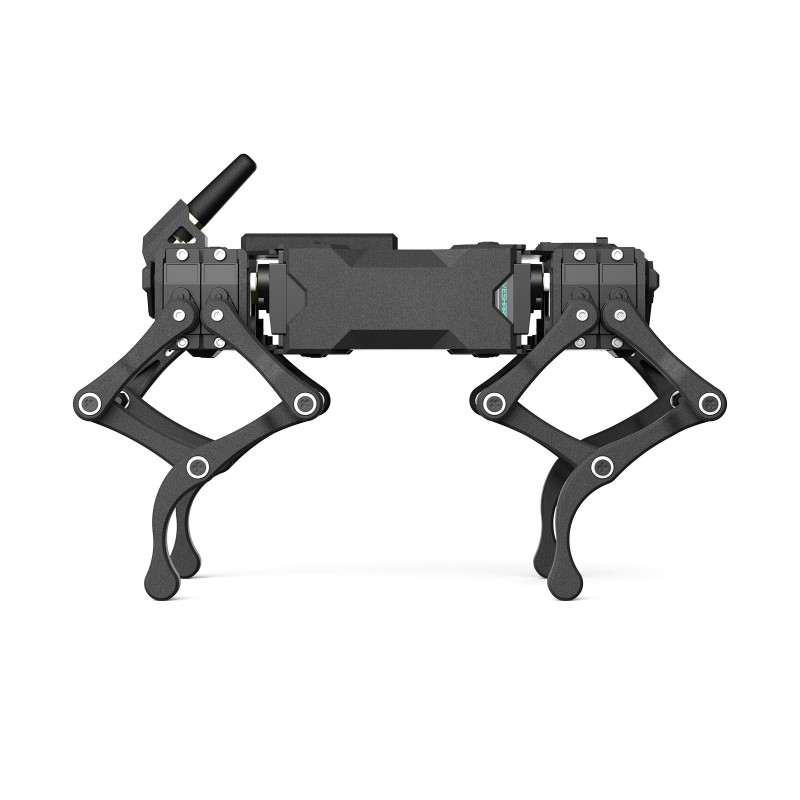
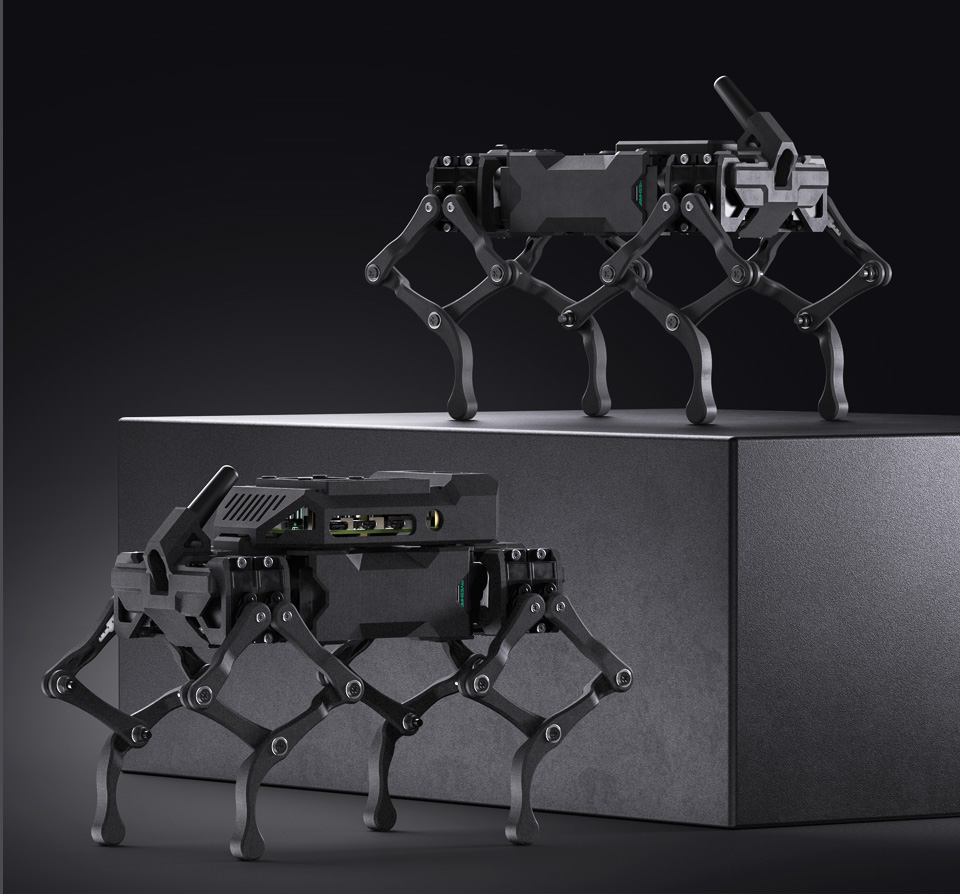
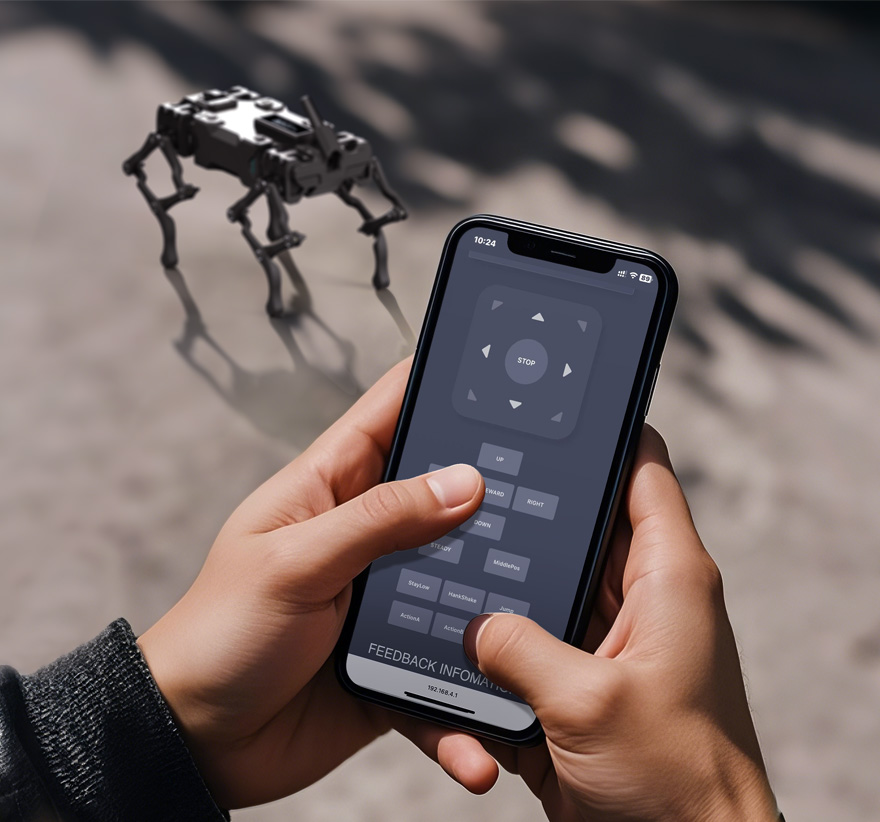
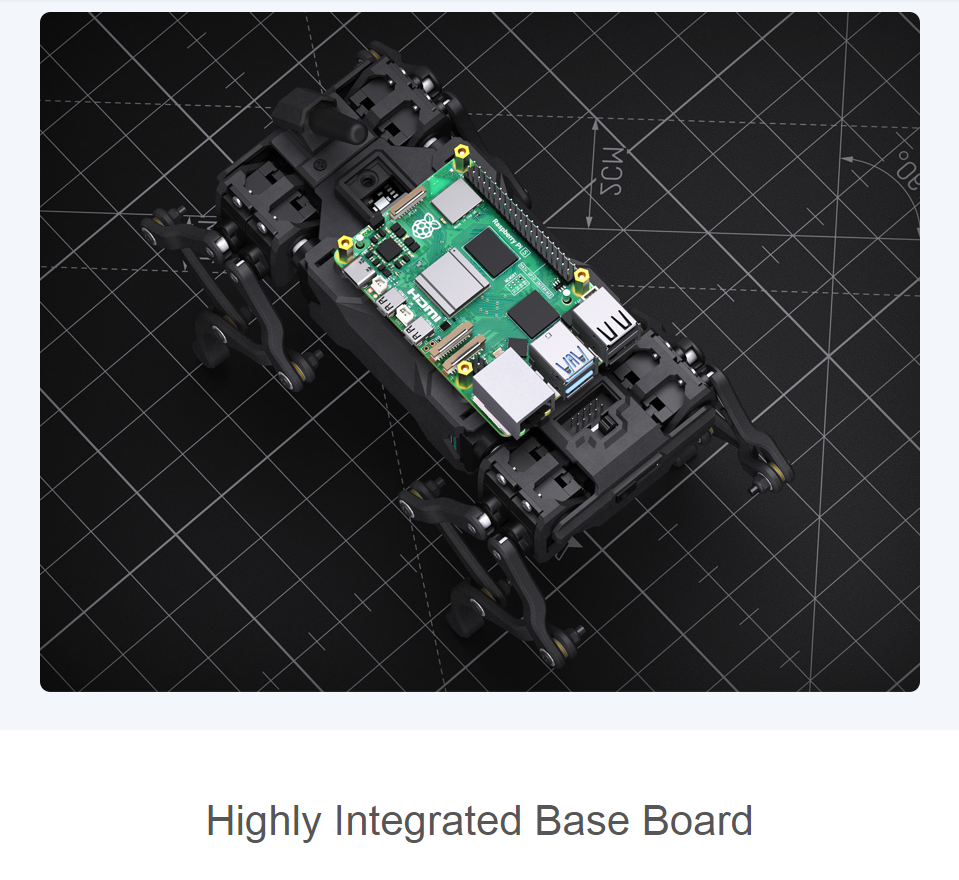
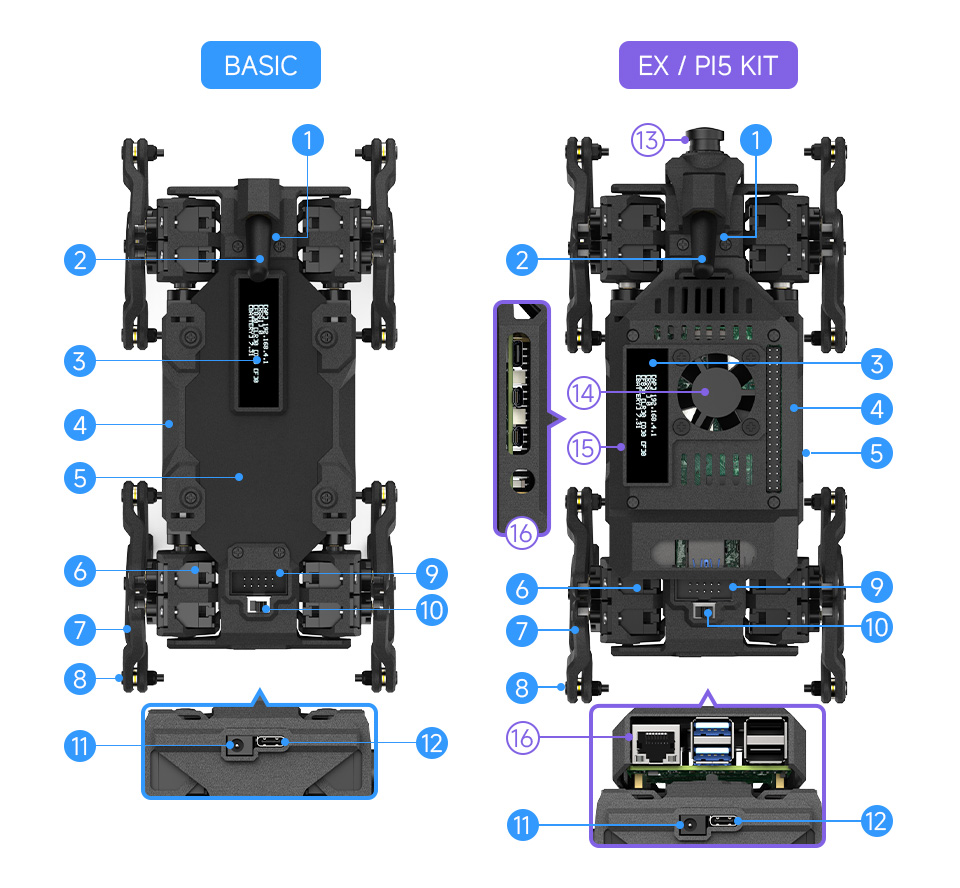
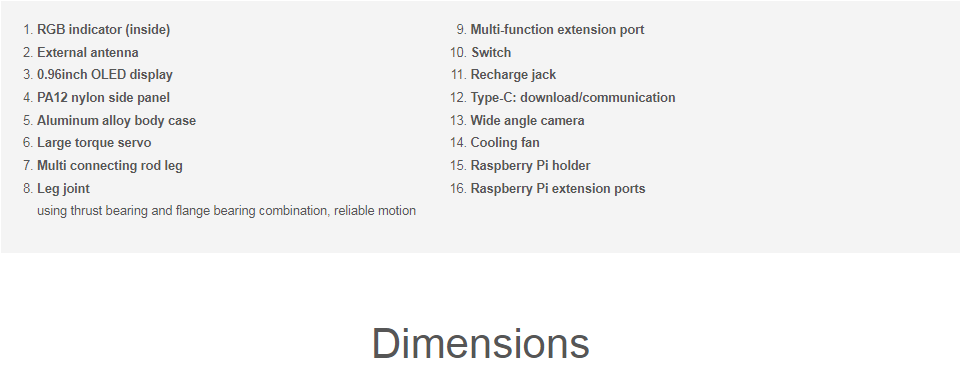
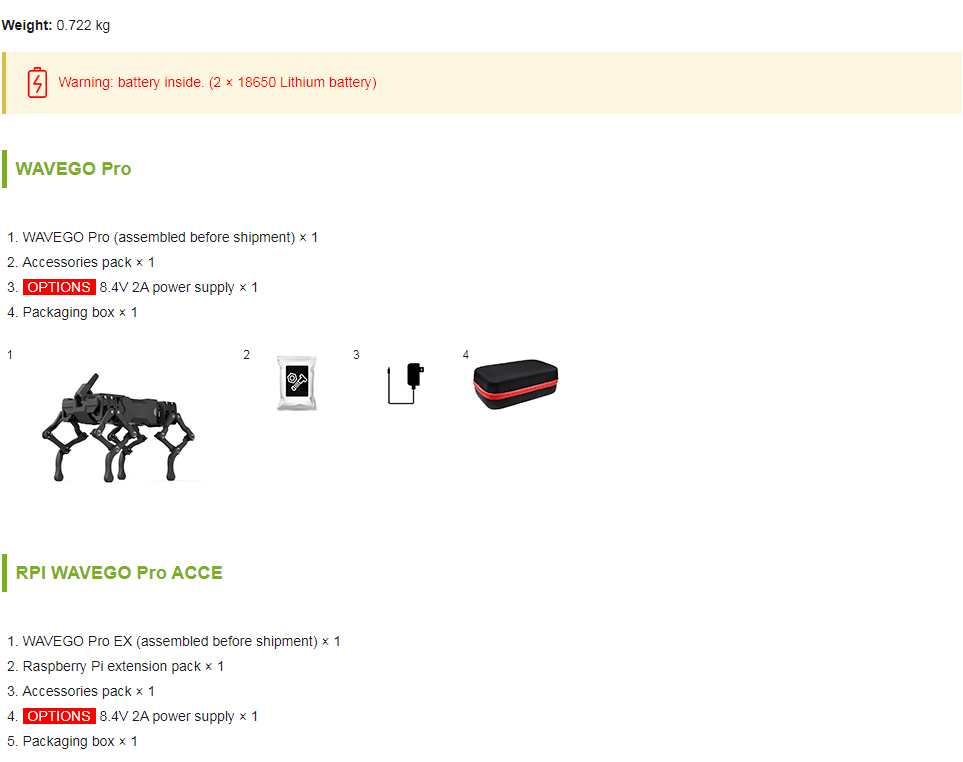
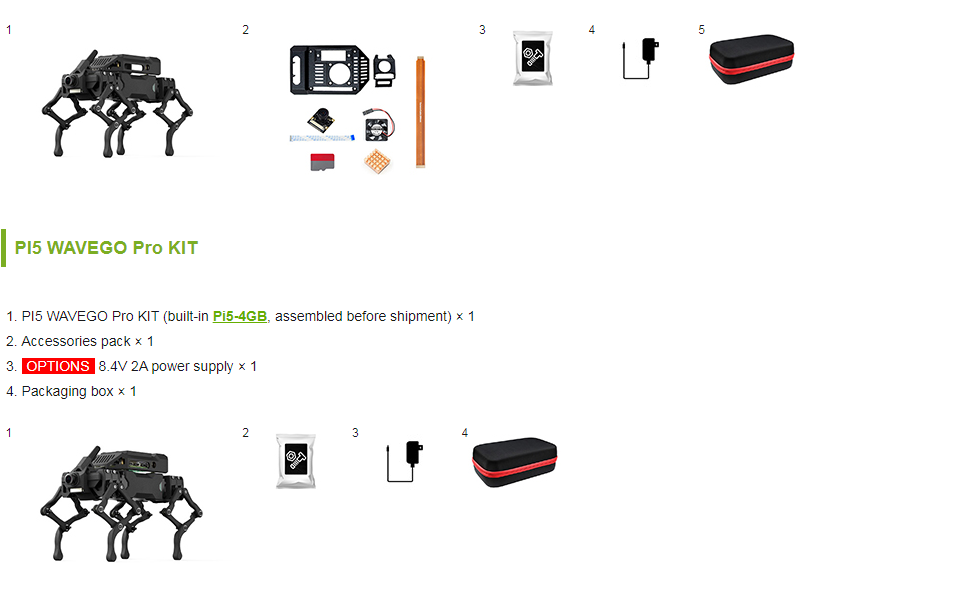
The WAVEGO Pro is a high-DOF bionic dog-like robot which features 2.3kg.cm serial bus servos, reliable structure, and flexible motion, incorporating devices like 9-axis motion tracker, RGB indicator, etc., together with open source multi-platform Web application. It uses the ESP32 as sub controller for connecting rod inverse solving and gait generation, sharing the calculating task for the host controller. An additional Raspberry Pi 4B or Raspberry Pi 5 can be attached as the host controller for high-level decision-making.
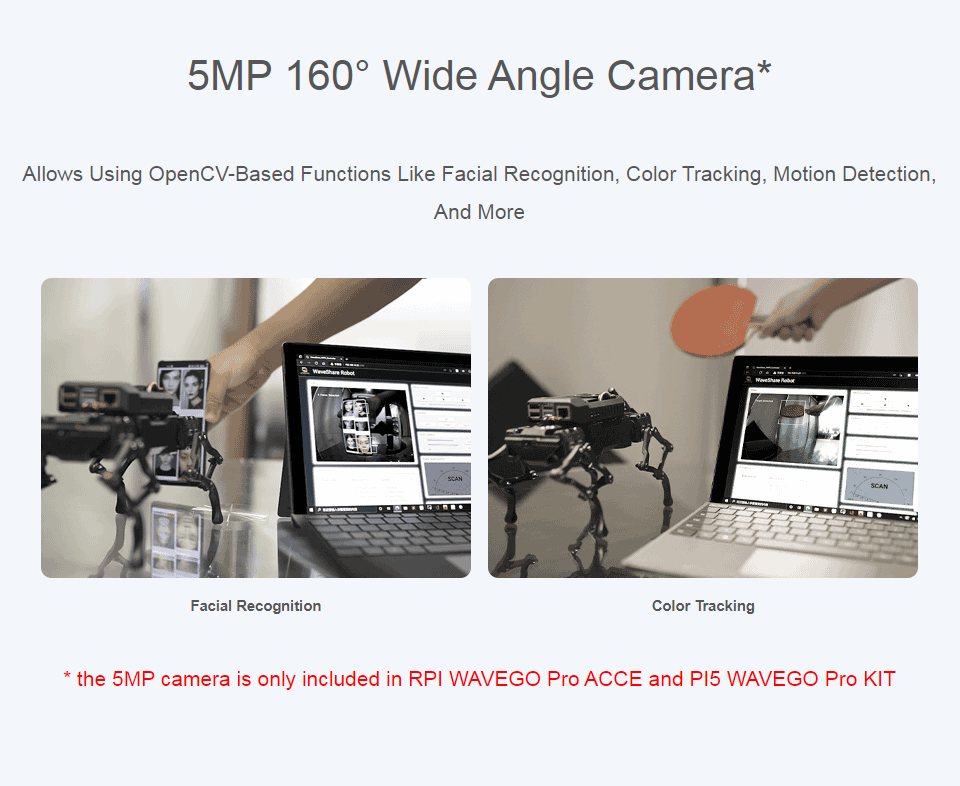
The upgraded WAVEGO Pro also integrates an ultra-wide-angle camera, enabling visual functions such as color tracking, motion detection, and face detection. It also adds support for JSON protocol communication and ESP-NOW host-sub control mode, and allows saving JSON instructions for robot control as task files. By calling these task files, the robot's motion trajectory can be replayed with a single click, facilitating educational demonstrations and rapid prototyping.
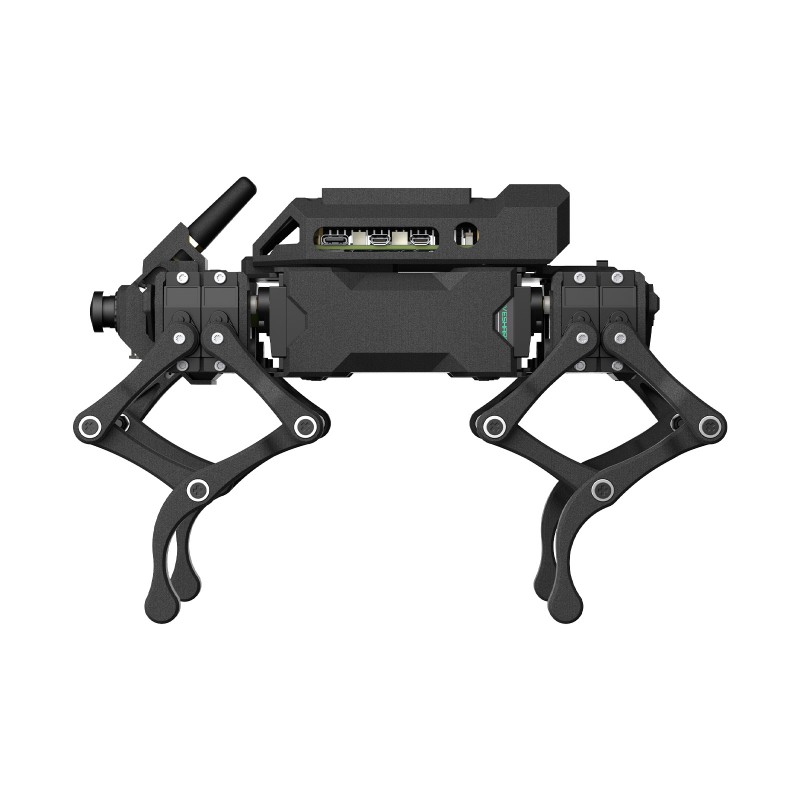
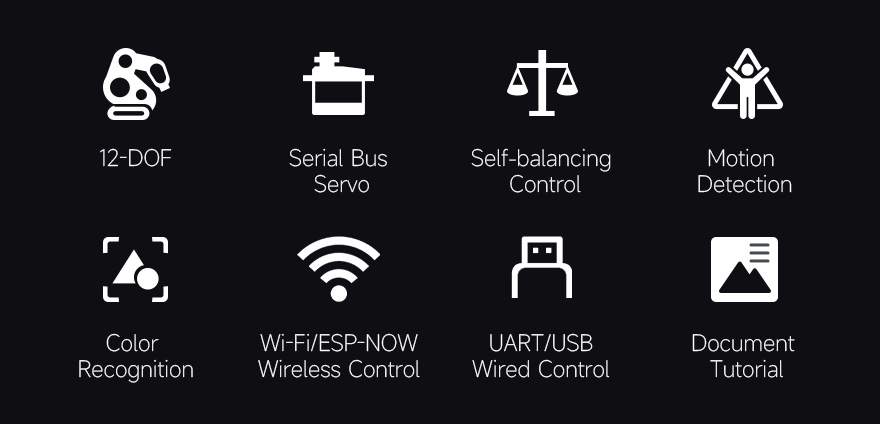
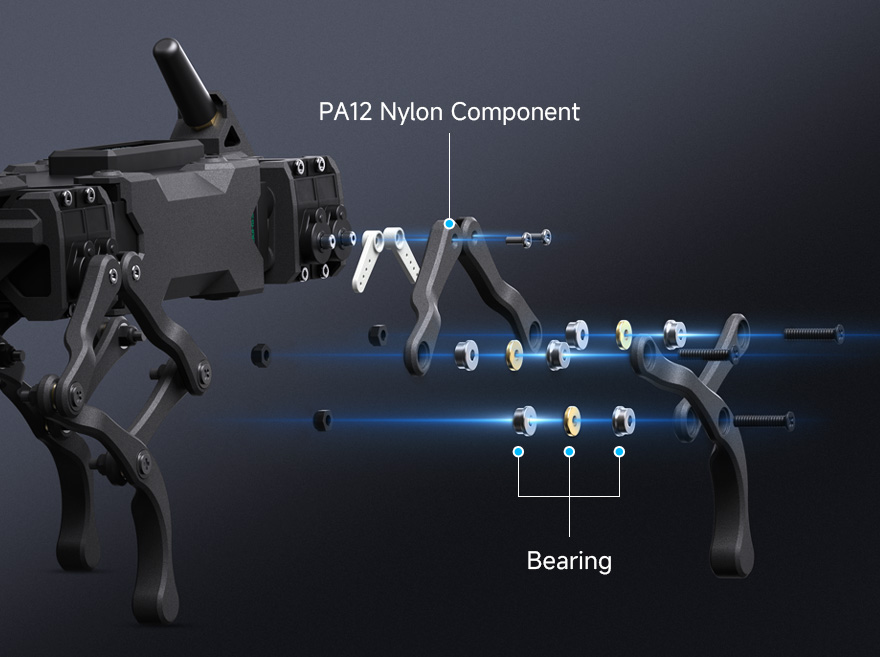
Overall 12-DOF, multi connecting rods leg design, increasing the servo effective torque.
Equipped with 2.3kg.cm serial bus servos capable of real-time feedback on position, speed, and input voltage.
A real time operating system is used as sub controller for connecting rod inverse solving and gait generation, sharing calculating task for the host controller and improving the gait solving efficiency.
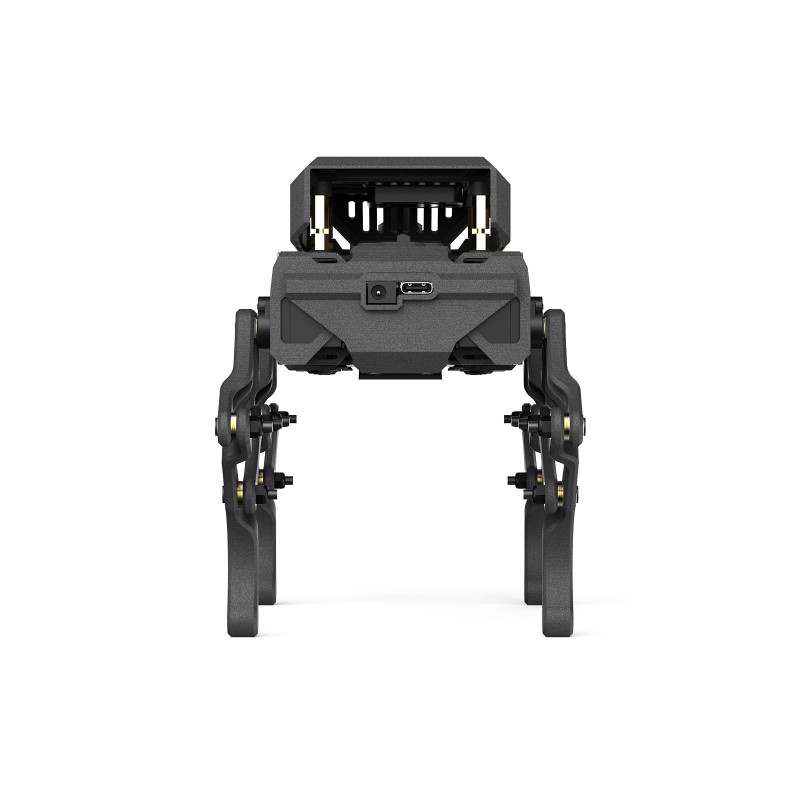
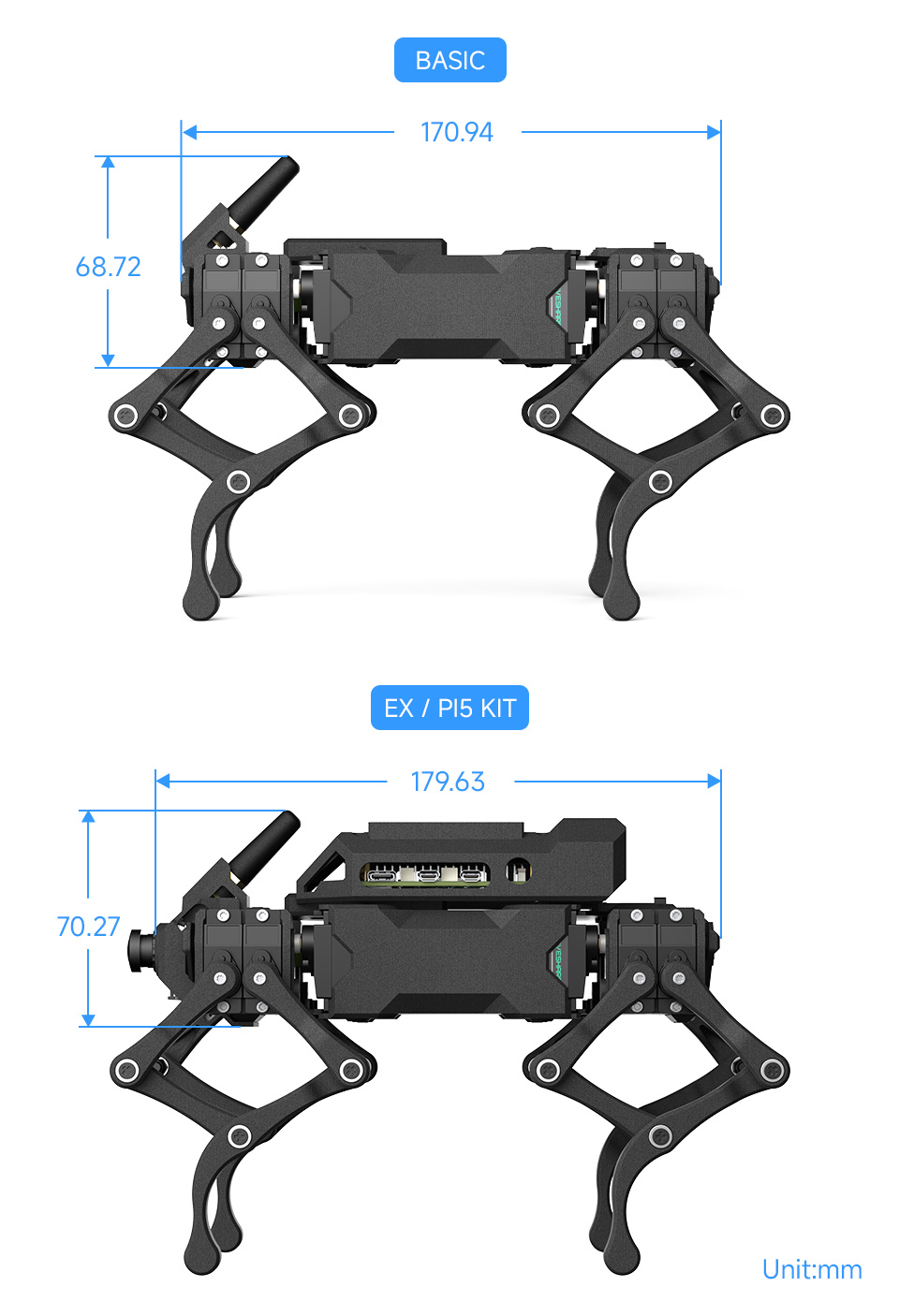
Ultra compact structure design, allows using on the table, aluminum alloy + nylon structure materials, ensuring strength while keeping it light weight.
Additional Raspberry Pi can be attached as the host controller to enable OpenCV high-level functions, demo codes including facial recognition, motion detection, color tracking, and more. Reserved extension interface for secondary development, along with user manual and secondary development documents.







The ESP32 functions as a dedicated sub-controller responsible for real-time inverse kinematics solving of the multi-connecting rod legs and gait trajectory generation, effectively offloading intensive calculating tasks from the host processor.
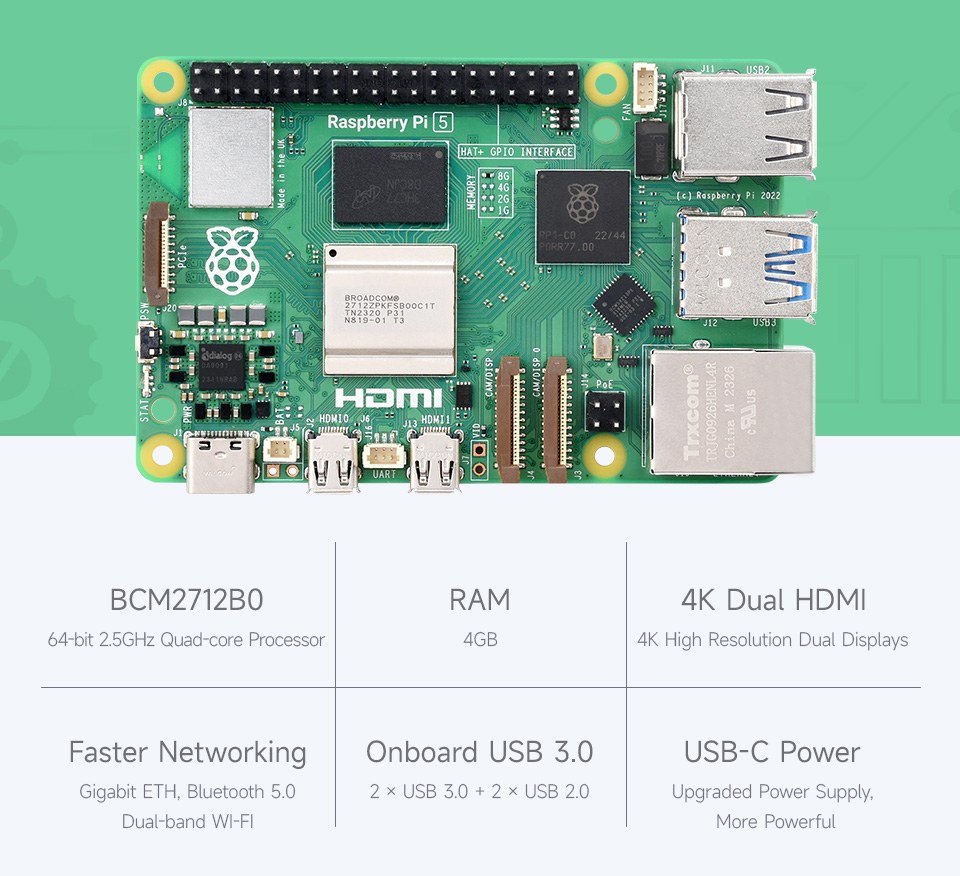
An additional Raspberry Pi 4B or Raspberry Pi 5 can be mounted as the host controller to process computer vision algorithms, AI decision-making tasks, and extended secondary development workflows.
The integrated ultra-wide-angle camera pairs with OpenCV demo algorithms running on the host controller to perform real-time color tracking, motion detection, and face detection.
The robot accepts JSON instruction sets that can be recorded directly into task files. These preset sequences can be executed with a single click to repeat complex movement trajectories for demonstrations or rapid prototyping.
The 2.3kg.cm serial bus servos provide real-time telemetry back to the controller, including current joint position, operational velocity, and input voltage data.
ESP-NOW host-sub mode establishes a low-latency, peer-to-peer wireless protocol that allows swift instruction dispatching and responsive coordination without requiring a local Wi-Fi router setup.